
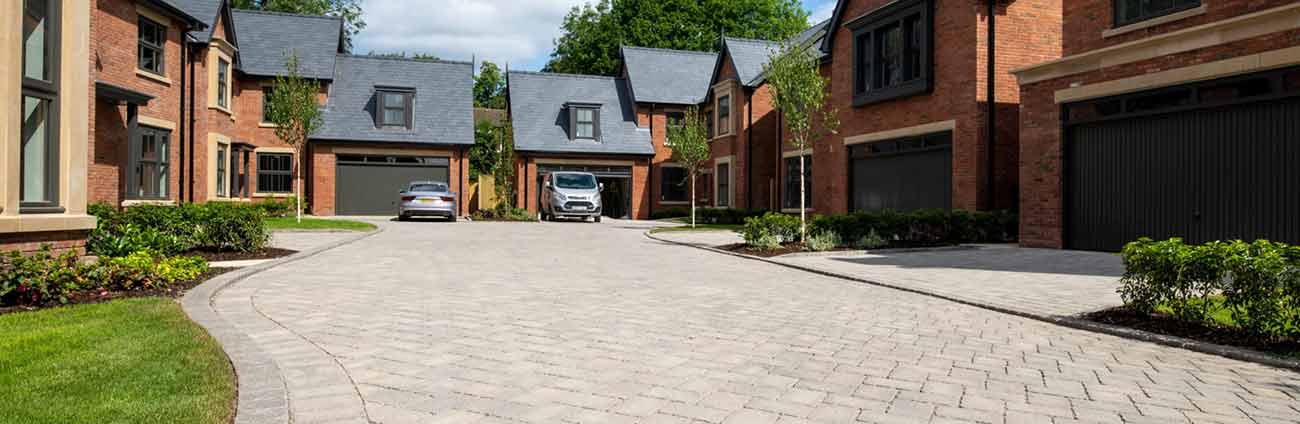
In an era of heightened environmental consciousness, the construction industry is facing increasing scrutiny over its environmental impact. Concrete, a ubiquitous building material, has long been considered a staple in construction, but it may surprise you to learn that it is not the most eco-friendly option available. So, what could be more eco-friendly than concrete? Let’s dive in and explore the surprising alternatives that are shaking up the industry.
Concrete, the second most-consumed substance in the world after water, is also one of the most damaging to the environment. The cement manufacturing and concrete production accounts for around 8% of global emissions, more than the entire aviation industry. Emissions from this industry have doubled in the last twenty years, and 30 billion tonnes of concrete is used each year – three times as much as 40 years ago. Given these alarming statistics, it’s clear that the construction industry needs to find more eco-friendly alternatives to traditional concrete. But what could be greener than the ubiquitous building material?
Eco-Friendly Alternatives to Traditional Concrete
The construction industry has long relied on traditional concrete, but its environmental impact has become increasingly concerning. Fortunately, there are several eco-friendly alternatives that offer sustainable solutions to reduce the carbon footprint of concrete. These include green concrete, ashcrete, blast furnace slag, micro silica, and aggregate replacement.
Green concrete is a type of concrete that incorporates recycled materials, such as concrete debris, post-consumer glass, and plastic waste, into the mix. This not only reduces the use of virgin materials but also diverts waste from landfills, contributing to a more circular economy.
Ashcrete is another eco-friendly alternative that replaces a portion of the cement in traditional concrete with fly ash, a by-product of coal-fired power plants. This not only reduces the amount of cement required but also helps to utilise a waste material that would otherwise end up in landfills.
Blast furnace slag and micro silica are other cement replacements that can be used to create more sustainable composite cement. These materials have been shown to improve the strength and durability of concrete, while also reducing its environmental impact.
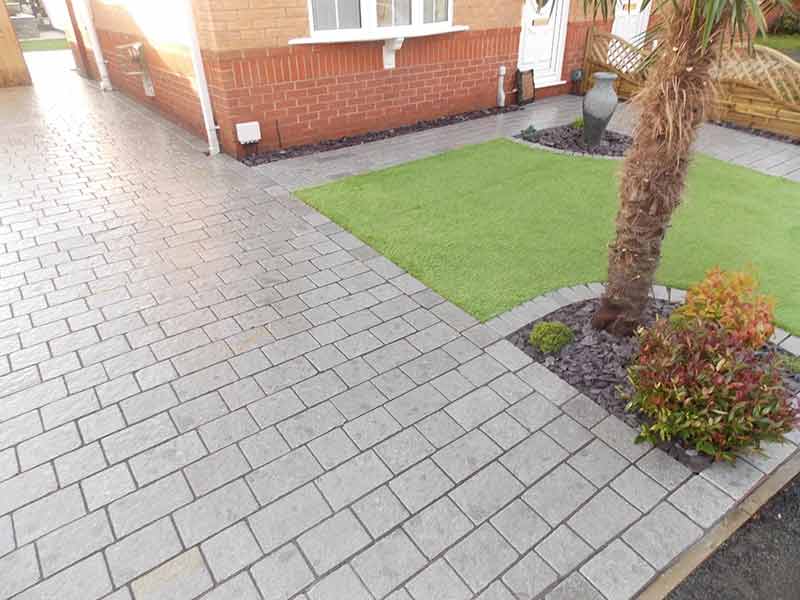
Finally, aggregate replacement, which involves substituting a portion of the traditional aggregate (such as sand and gravel) with alternative materials like papercrete or recycled concrete debris, can also contribute to the development of more sustainable concrete mixes.
By embracing these eco-friendly alternatives, the construction industry can take significant steps towards reducing the environmental impact of traditional concrete and paving the way for a more sustainable future.
Block Paving: A Sustainable Choice
When it comes to creating eco-friendly outdoor spaces, block paving emerges as a remarkable alternative to traditional concrete. Also known as interlocking pavers, block paving systems utilise individual blocks or stones to construct durable, permeable, and visually appealing surfaces for driveways, paths, patios, and other landscaping areas.
Compared to solid concrete, block paving offers several sustainable advantages. Firstly, the permeable nature of the system allows rainfall to seep through the gaps between the pavers, reducing runoff and minimising the strain on local drainage systems. This helps to recharge groundwater supplies and mitigate the risk of flooding.
Moreover, block paving can be crafted from a variety of materials, including natural stone, recycled concrete, or even eco-friendly options like clay or concrete-based pavers. This versatility allows homeowners and landscaping professionals to select paving solutions that align with their sustainability goals, whether it’s using reclaimed materials or opting for pavers with a lower carbon footprint.
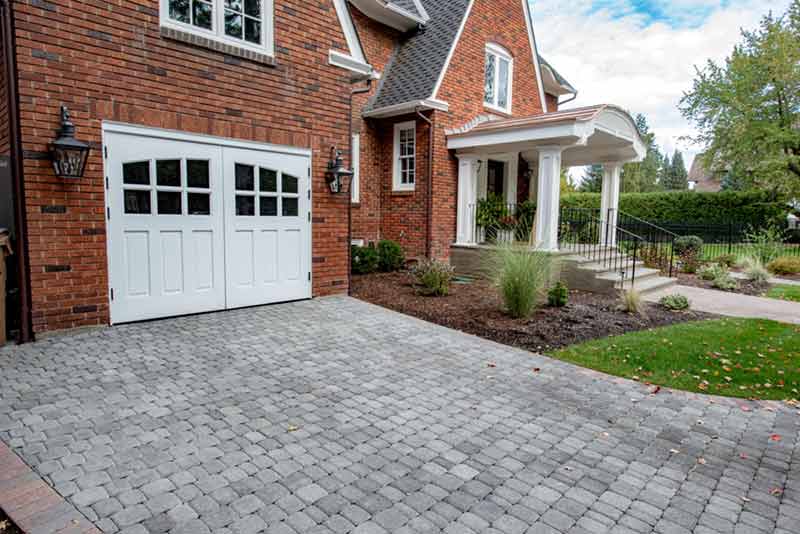
Compared to traditional concrete, block paving also boasts a longer lifespan and requires less maintenance, reducing the environmental impact associated with frequent repairs or replacement.
Additionally, the modular design of block paving systems makes it easier to remove and recycle individual pavers at the end of their useful life, further contributing to a circular economy.
For those seeking to create beautiful, eco-friendly outdoor spaces, block paving from reputable providers like Block Paving Retford (07595 510190) offers a sustainable solution that combines functionality, aesthetics, and environmental responsibility.
Conclusion
The construction industry is undoubtedly facing increasing pressure to adopt more sustainable practices and materials, particularly in response to the environmental impact of traditional concrete usage. The factual data explored in this article has highlighted a range of eco-friendly alternatives to traditional concrete, including green concrete, ashcrete, blast furnace slag, micro silica, and aggregate replacement. Additionally, innovative solutions such as hempcrete, self-healing concrete, and bamboo concrete have emerged as promising sustainable options.
One such sustainable solution that has gained traction is block paving, also known as interlocking pavers. Block paving, offered by reputable providers like Block Paving Retford (07595 510190), is a durable, permeable, and aesthetically pleasing paving system that serves as an excellent alternative to traditional concrete. By opting for block paving, homeowners and landscapers can contribute to a more sustainable future while enjoying the benefits of a high-quality, customisable paving solution.
As the construction industry continues to evolve, the need for eco-friendly alternatives to concrete has never been more pressing. The insights and options presented in this article provide a starting point for individuals and businesses to explore and embrace sustainable construction practices that prioritise the environment without compromising quality or aesthetics. By making informed choices and supporting innovative solutions, we can collectively work towards a greener, more sustainable future for the built environment.
Contact them today at 07595 510190 or visit their website at blockpavingretford.co.uk to learn more.
Source Links
- https://www.specifyconcrete.org/blog/eco
-friendly-alternatives-to-traditional-concrete - https://www.renewableenergymagazine.com/
rose-morrison/six-sustainable-alternatives
-to-traditional-concrete-and-20230605 - https://www.ucem.ac.uk/whats-happening/
articles/concrete-alternatives/
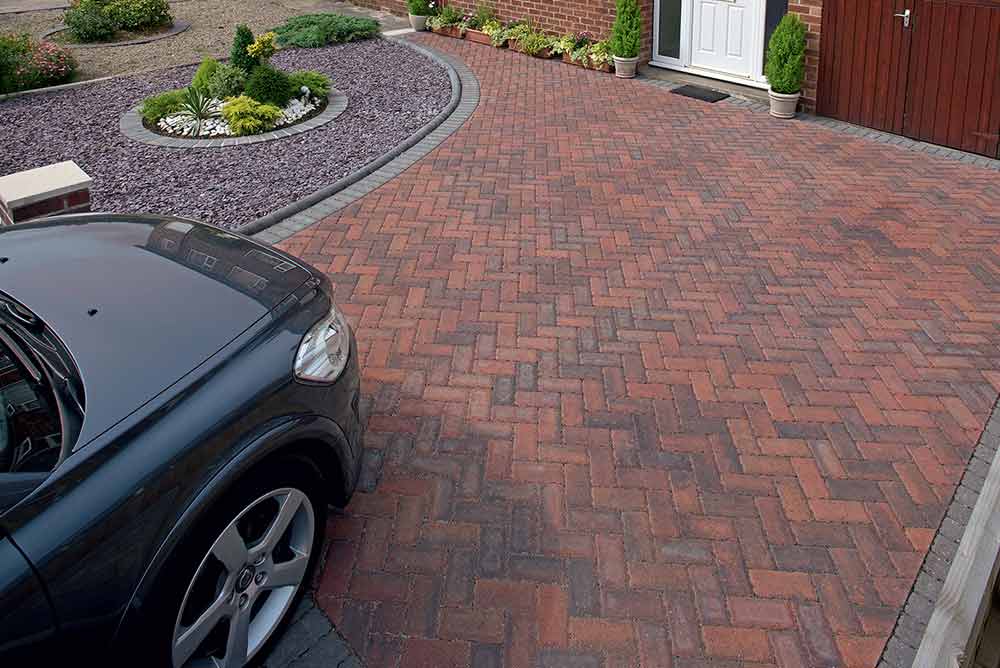
If you are considering block paving for your driveway, it's important to understand the regulations and requirements surrounding planning permission. Planning permission may be required Read more

Are you considering installing a 2 car driveway but unsure about the cost? Look no further! We have all the Read more
Concrete is everywhere in our world, known for its sturdiness and affordability. But, its impact on our planet is heavy. Read more