
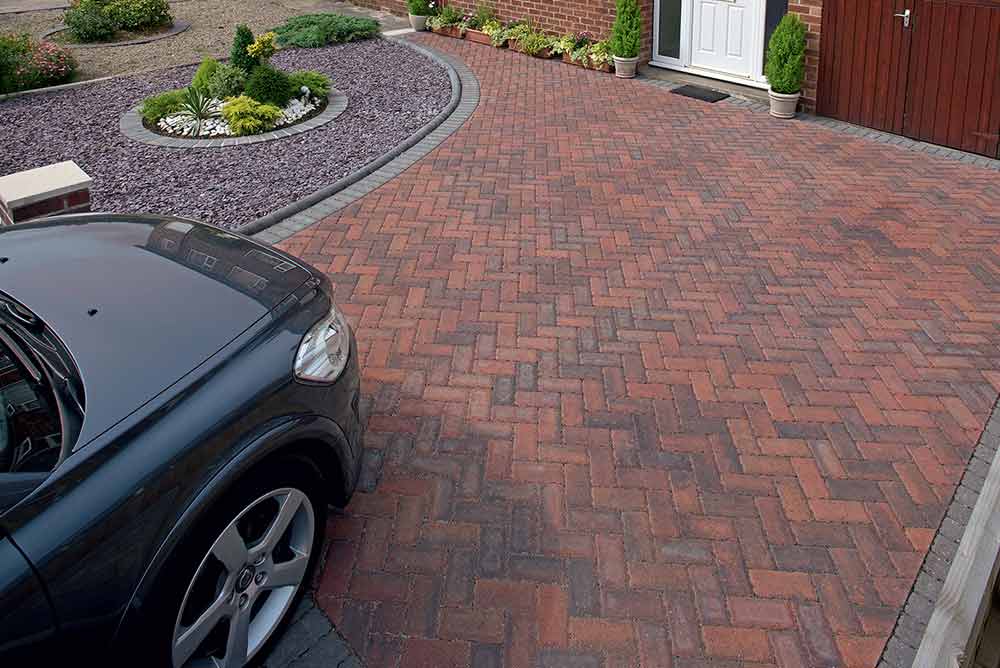
If you are considering block paving for your driveway, it’s important to understand the regulations and requirements surrounding planning permission. Planning permission may be required for your driveway paving project, depending on several factors. These include the size of the driveway, the type of surface, and any changes that may affect visibility or listed buildings.
If your driveway is larger than five square meters and does not drain through a permeable surface, you will likely need planning permission.
Changes to visibility on the road and the addition of a drop kerb may also require permission. Listed buildings and properties under Article 4 directions have additional planning considerations.
It is essential to consult your local planning authority to determine if planning permission is required for your specific situation. They will provide guidance on the necessary steps to take and the application process.
At Block Paving Retford, we understand the importance of complying with planning regulations while creating a beautiful and functional driveway. We offer a wide range of block paving options and can assist you in choosing the right surface material for your project.
Whether you need expert advice on permeable paving, decorative options, or planning applications, our team is here to help. Contact us today at https://blockpavingretford.co.uk/ and let us assist you in transforming your driveway with block paving.
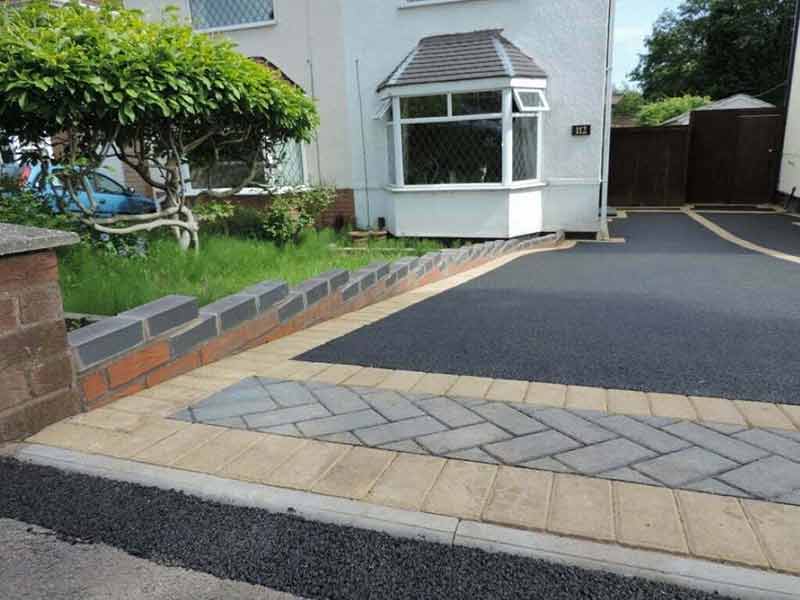
Circumstances Requiring Planning Permission
When it comes to your driveway, there are specific circumstances in which you may need to apply for planning permission. Let’s take a look at these circumstances:
- Paving Regulations: If you plan to pave more than five square meters of driveway, it’s likely that you will need to seek planning permission. This regulation aims to ensure that driveways remain within a reasonable size, preventing any potential negative impact on the local environment.
- Driveway Size: The size of your driveway plays a crucial role in determining whether planning permission is required. Generally, if your driveway is smaller than five square meters, you may not need permission. However, if it exceeds this size, it’s best to consult your local planning authority for guidance.
- Permeable Surface: If your driveway does not have a permeable surface that allows for proper drainage of rainwater, you may need to apply for planning permission. Local councils encourage the use of permeable materials to prevent flooding and maintain the natural water cycle.
- Visibility Changes: Any changes that affect visibility on the road, such as removing or adding trees, walls, or gates, may require planning permission. This regulation ensures that driveways do not compromise road safety by obstructing the line of sight for drivers.
- Drop Kerb: If you plan to add a drop kerb to expand your driveway, permission will be needed. A drop kerb enables easier access to your driveway and must adhere to specific regulations to maintain safety for pedestrians and vehicles.
- Listed Building and Article 4 Directions: If your property is a listed building or falls under Article 4 directions, you must check for specific planning restrictions. These designated areas have additional planning considerations to preserve their historical and architectural significance.
Considering these circumstances and consulting your local planning authority will help you determine if planning permission is required for your driveway project.
Image: Example of a well-paved driveway that meets the required regulations.
Exemptions from Planning Permission
In certain situations, you may be exempted from the requirement of obtaining planning permission for your driveway. These exemptions are based on specific criteria that consider factors such as the size of the driveway, the type of surface materials used, and the natural drainage of rainwater.
If your driveway is relatively small, measuring less than five square meters, it generally falls under the permissible limits and does not require planning permission. The rationale behind this exemption is that a small driveway has minimal impact on the overall drainage system.
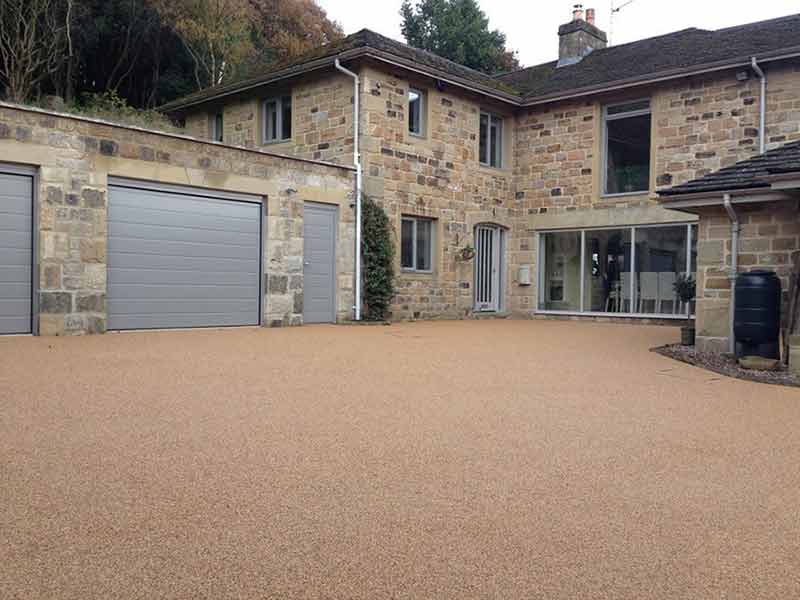
Another key exemption relates to the use of permeable materials in driveway construction. By opting for permeable block paving or gravel, you can ensure natural drainage of rainwater into the ground, eliminating the need for planning permission. The use of these permeable materials helps in preventing water buildup and subsequent flooding in your driveway area.
In addition, the natural slope of your driveway plays a crucial role in determining whether planning permission is necessary. If your driveway naturally slopes towards a drainage ditch or garden, allowing rainwater to drain naturally, you may be exempt from obtaining planning permission.
Despite these exemptions, it is essential to consult your local planning authority to ascertain whether your specific circumstances fall under these exemptions.
Local planning authorities have the expertise and knowledge to provide accurate guidance on planning regulations and exemptions applicable to your area.
Seeking their advice will help ensure compliance with the necessary regulations and avoid any potential issues in the future.
Remember, consulting the local planning authority is a crucial step in the planning process.
They can clarify any doubts and provide you with the necessary information for implementing your driveway project smoothly.
Conclusion
When considering a block paving project for your driveway, it is crucial to take planning permission into account. Evaluating the size of your driveway, the chosen surface material, and any potential impact on visibility or listed buildings is essential. While small driveways and the use of permeable materials may be exempt from planning permission, it is always wise to consult your local planning authority to ensure compliance with regulations.
By understanding the requirements and obtaining the necessary permissions, you can enhance the curb appeal of your home and create a functional and visually appealing driveway with block paving. There are various decorative options available, allowing you to tailor your driveway to your specific preferences and style. For expert advice on selecting the right paving stones and achieving the desired aesthetic, consult professionals like Block Paving Retford.
For a seamless and hassle-free block paving journey, contact your local planning authority for guidance on planning permission and any other regulations that may be relevant to your project. With the right information and approvals in place, you can embark on creating a stunning block paved driveway that not only adds value to your property but also enhances the overall appearance of your home.
Call us to get a price quote on a block paving. Contact us today on 07595 510190 to receive a free quote or visit our website.
Source Links
- https://www.simplypaving.com/
advice-centre/articles/do-i-need
-planning-permission-for-a-new-driveway/ - https://primethorpepaving.co.uk/
blogs/articles/planning-permission
-for-driveways-what-do-you-need-to-know - https://www.thepavingexperts.co.uk/
do-new-driveways-need-planning
-permission-a-comprehensive-guide/

The well-known adage 'The foundation of a successful paver installation lies in the choice of materials' highlights the importance of Read more
Block paving is a popular choice for outdoor surfaces due to its durability and aesthetic appeal. However, the accumulation of Read more

If you're considering a block paving project but don't have access to a wacker plate, you may be wondering if it's still possible Read more