
The well-known adage ‘The foundation of a successful paver installation lies in the choice of materials’ highlights the importance of understanding whether pavers should be laid on sand or mortar.
This article aims to provide a technical and detailed analysis of the advantages and disadvantages associated with using these two methods.
By objectively examining factors such as stability, durability, and flexibility, readers will gain insights into which approach best suits their specific needs and preferences.
Understanding the Role of Sand in Paver Installations
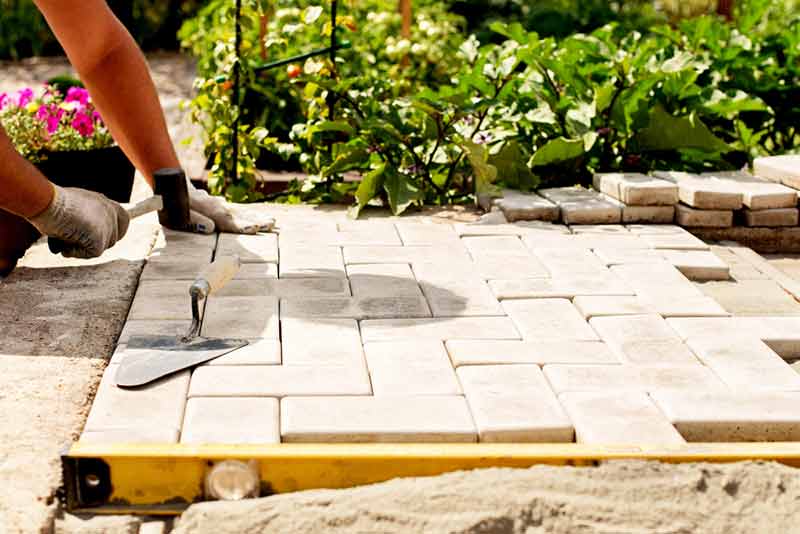
Sand plays a crucial role in paver installations as it acts as a levelling and stabilising medium for the pavers. The proper base preparation is essential for ensuring the longevity and stability of the paved surface.
Before installing the pavers, it is necessary to excavate the area to a suitable depth, typically around 6-8 inches, depending on the intended use of the space. This excavation allows for proper drainage and helps prevent future settlement or movement of the pavers.
Once excavated, a layer of compacted gravel or crushed stone should be placed as a stable base for the pavers. This base layer provides additional support and helps distribute any applied loads evenly across the surface.
After placing the pavers on top of this prepared base, polymeric sand can be used to fill in gaps between them, providing further stabilisation by interlocking with adjacent stones. The role of polymeric sand is particularly important as it helps to prevent weed growth, inhibit insect infestation, and significantly reduces joint erosion caused by water penetration or freeze-thaw cycles.
Overall, understanding proper base preparation techniques and utilising polymeric sand are critical steps in ensuring a durable and long-lasting paver installation.
Exploring the Benefits of Using Mortar for Pavers
Using mortar as a binding agent for pavers offers several advantages over alternative methods.
When comparing the durability of mortar versus sand for paver installations, it is evident that mortar provides superior strength and stability. Unlike sand, which can shift and erode over time, mortar creates a solid and immovable foundation for the pavers. This ensures that the pavers remain securely in place, even under heavy loads or adverse weather conditions.
Additionally, using mortar eliminates the need for frequent maintenance and re-levelling that may be required with sand installations.
In terms of cost effectiveness, although mortar may initially be more expensive than sand, its long-term durability reduces the need for costly repairs or replacements.
Ultimately, using mortar as a binding agent enhances the overall longevity and stability of paver installations.
Considering the Drawbacks of Using Sand for Pavers
Comparing the efficacy of alternative binding agents, it becomes apparent that sand installations for pavers may present certain drawbacks. While sand is a commonly used material for filling the gaps between pavers, it has its limitations.
- Inadequate stability: Sand alone does not provide sufficient stability for pavers, leading to shifting and movement over time.
- Weed growth: Sand can provide an ideal environment for weed growth due to its loose nature and ability to retain moisture.
- Erosion: Heavy rain or wind can cause erosion of the sand, resulting in uneven surfaces and potential damage to the paver structure.
- Maintenance: Regular maintenance is required with sand installations as it needs to be periodically topped up or replaced.
Considering these limitations, alternative materials such as polymeric sand, gravel, or mortar are often recommended for paver installations. These materials offer improved stability and durability while minimising weed growth and erosion issues.
Weighing the Pros and Cons of Using Mortar vs. Sand for Paver Installations
When considering different materials for paver installations, it is important to analyse the benefits and drawbacks of using mortar as opposed to sand. Both materials have their advantages and disadvantages in terms of cost effectiveness and durability under various weather conditions.
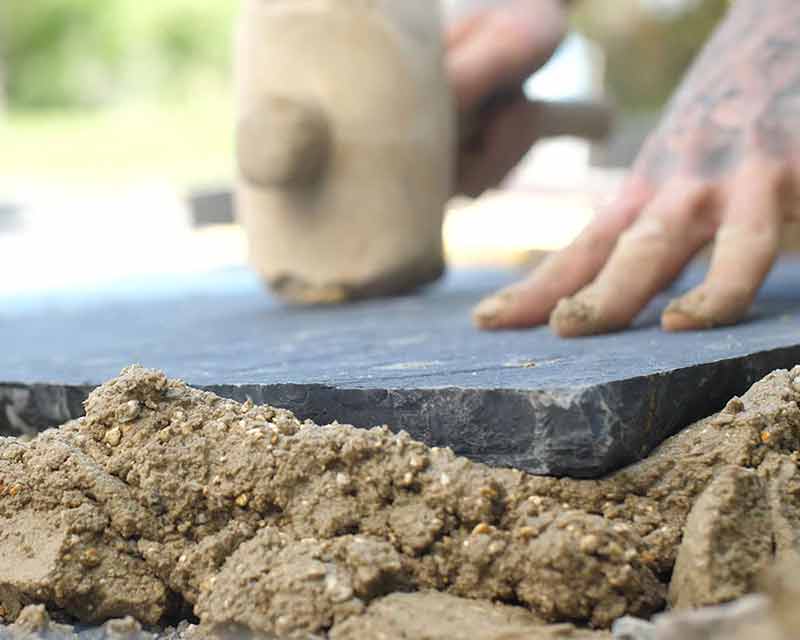
In terms of cost effectiveness, sand is generally less expensive than mortar. It is readily available and requires minimal preparation compared to mortar, which involves mixing cement, sand, and water.
However, while initial costs may be lower with sand, over time it may require more maintenance due to its tendency to shift or erode.
Weather conditions also play a significant role in choosing between mortar and sand for paver installations. Mortar is more resistant to extreme weather conditions such as heavy rain or freezing temperatures.
It provides a stronger bond between the pavers, preventing shifting or movement. On the other hand, sand allows for better drainage during rainy seasons but may become unstable in harsh weather conditions.
To summarise these comparisons:
| Cost Effectiveness | Impact of Weather Conditions | |
|---|---|---|
| Mortar | Higher initial cost but requires less maintenance | More resistant to extreme weather conditions |
| Sand | Lower initial cost but may require more maintenance over time | Allows for better drainage but less stable in harsh weather |
Overall, when deciding whether to use mortar or sand for paver installations, both cost effectiveness and weather conditions need to be carefully considered.
So Finally
In conclusion, the choice between using sand or mortar for paver installations depends on various factors.
While sand offers easier installation and allows for flexibility, mortar provides a more secure and durable foundation.
It is crucial to consider the specific project requirements, budget constraints, and desired outcome when making this decision.
Ultimately, both options have their advantages and disadvantages.
By carefully weighing the pros and cons of using mortar versus sand for paver installations, one can make an informed choice that will result in a long-lasting and visually appealing outcome.
Call us to get a price quote on a block paving. Contact us today on 07595 510190 to receive a free quote or visit our website.

What Is An Eco Friendly Patio Alternative
Are you fed up with the harm traditional patio materials like concrete or decking cause to the environment? Want a greener way to upgrade your

What Is The Cheapest Form Of Paving
Transforming outdoor spaces can be costly, but what’s the cheapest paving option? From block paving to paving stones, there are many choices. We’ll look at
What Happens If You Don’t Seal Your Patio
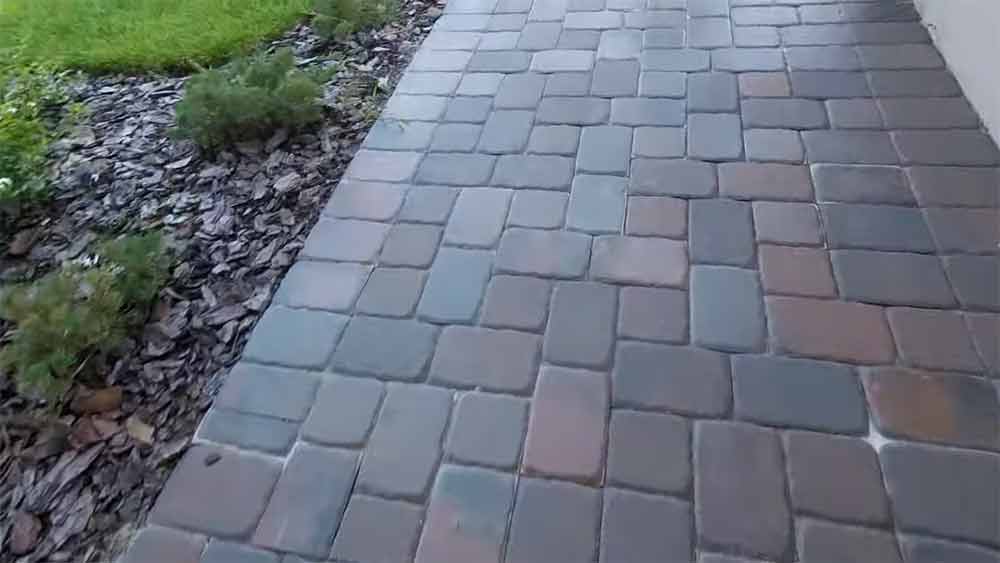
Ever thought about what might happen if you don’t seal your block paving, paving blocks, or concrete blocks? It could be shocking. Skipping the seal
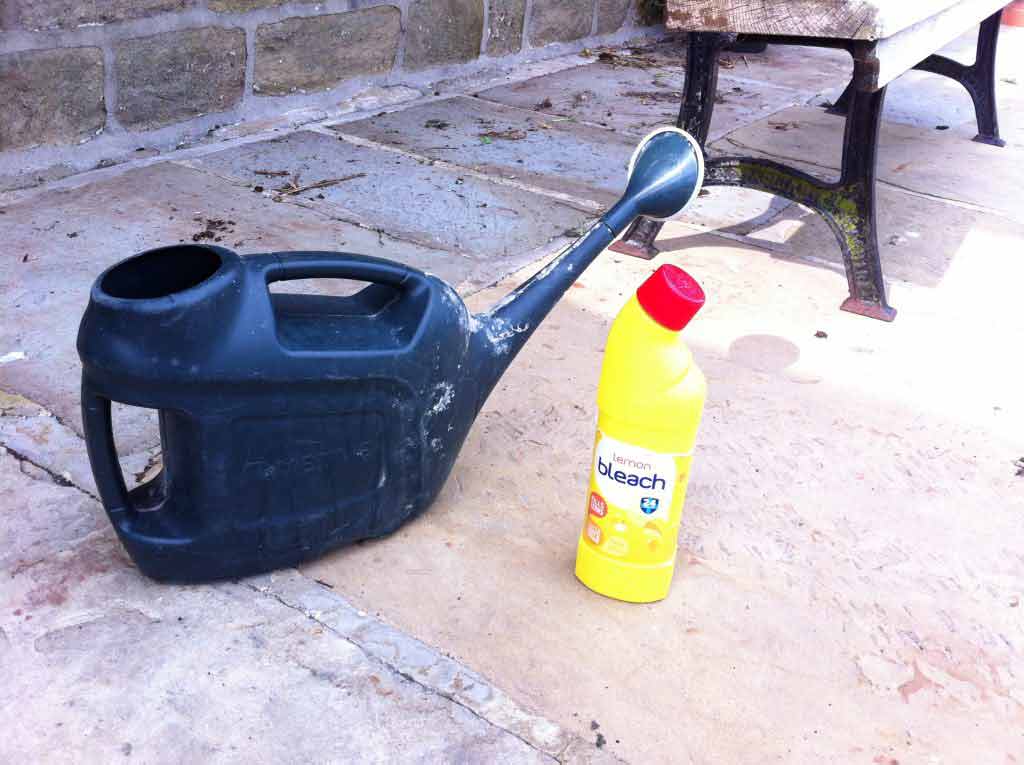
Block paving is a popular choice for outdoor surfaces due to its durability and aesthetic appeal. However, the accumulation of Read more
If you're considering a block paving project but don't have access to a wacker plate, you may be wondering if it's still possible Read more

Welcome to our guide on preventing weed growth and maintaining your block paved patio. We understand that keeping your patio free from Read more