
Block paving is a popular choice for outdoor surfaces due to its durability and aesthetic appeal. However, the accumulation of dirt, moss, and algae can diminish its visual appeal over time.
This article explores the effectiveness of bleach as a cleaning agent for block paving. By examining the composition of block paving and weighing the pros and cons of using bleach, alternative cleaning methods will also be discussed.
Additionally, practical tips on maintaining the longevity of block paving will be provided.
Understanding the Composition of Block Paving
The composition of block paving can be understood by examining its various components and their proportions.
Block paving is typically made up of three main materials: aggregates, cement, and water.
Aggregates are the primary component and provide strength to the paved surface.
They consist of a mixture of sand, gravel, and crushed stones.
Cement acts as a binding agent that holds the aggregates together, creating a solid structure.
Water is added to facilitate the hydration process of the cement and aid in the formation of a strong bond between the materials.
Understanding these materials is crucial in ensuring proper installation and maintenance of block paving surfaces.
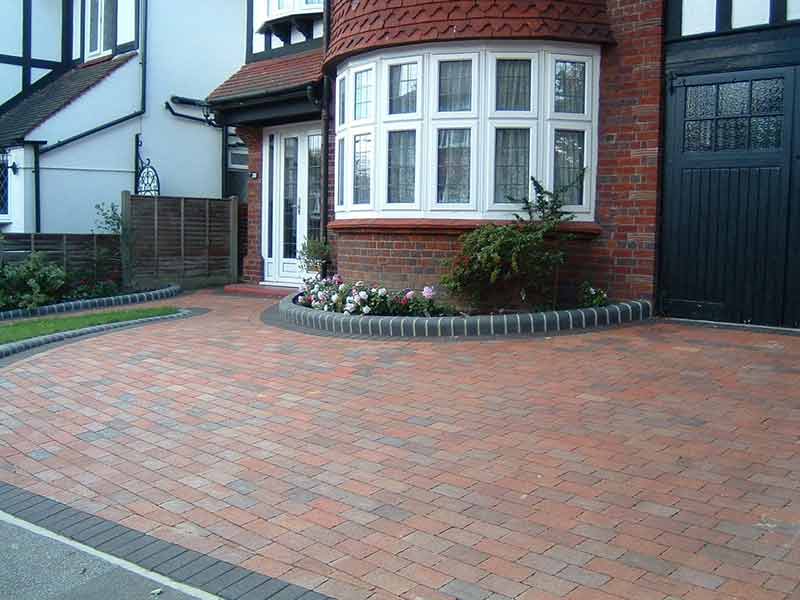
Common issues with block paving include weed growth between blocks, sinking or shifting due to inadequate base preparation or poor installation techniques, and surface deterioration over time due to weathering and heavy traffic.
Pros and Cons of Using Bleach for Cleaning
One potential drawback of using bleach for cleaning block paving is its potential to cause discolouration or damage to the surface. While bleach can be effective in removing certain types of stains, it is important to consider both the pros and cons before using it as a cleaning agent.
Pros of using bleach for cleaning block paving:
- Effective stain removal: Bleach can be highly effective in removing organic stains such as algae, moss, and mildew from block paving surfaces.
- Disinfectant properties: Bleach has strong disinfectant properties that can help eliminate bacteria and other harmful microorganisms from the surface.
- Cost-effective solution: Bleach is relatively inexpensive and readily available, making it a cost-effective option for cleaning block paving.
Cons of using bleach for cleaning block paving:
- Potential surface damage: The harsh chemicals in bleach can cause discolouration or damage to the surface of certain types of block paving materials.
- Environmental impact: Bleach is not environmentally friendly as it can contaminate water sources and harm plants and wildlife.
- Safety concerns: Bleach emits toxic fumes which can be harmful if inhaled or come into contact with skin or eyes.
Overall, while bleach may be effective in removing certain stains, its potential negative effects on the surface and environment should be carefully considered before use.
Alternative Cleaning Methods for Block Paving
Alternative cleaning methods for block paving include using vinegar, baking soda, or commercial eco-friendly cleaners. These natural solutions offer a DIY approach to cleaning block paving without the use of harsh chemicals.
Vinegar is a popular choice due to its acidic properties that help break down dirt and grime. It can be diluted with water and applied using a brush or spray bottle.
Baking soda, on the other hand, is an abrasive substance that can be mixed with water to create a paste for scrubbing stubborn stains.
Commercial eco-friendly cleaners are specifically formulated to remove dirt and algae from block paving without causing harm to the environment.
These alternatives provide effective and environmentally-friendly options for maintaining clean block paving surfaces through simple do-it-yourself techniques.
Maintaining the Longevity of Your Block Paving
To ensure the longevity of block paving, regular maintenance is essential. Preventing weed growth and sealing block paving are two key aspects of this maintenance.
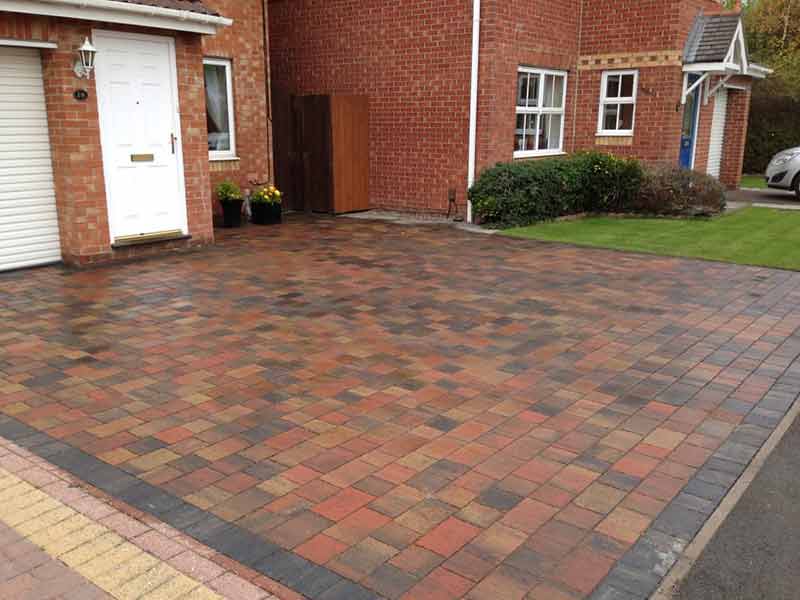
Weeds can cause damage to the structure of the paving by growing in between the blocks and exerting pressure on them, leading to cracks and unevenness. To prevent weed growth, it is important to regularly remove any weeds that appear and use a weed suppressant such as a geotextile membrane or a suitable herbicide.
Additionally, sealing block paving helps to protect it from external elements such as moisture, oil stains, and UV radiation.
This can be achieved by applying a suitable sealer that forms a protective layer on the surface of the paving, reducing its porosity and enhancing its durability.
Regular maintenance practices like these can significantly extend the lifespan of block paving structures.
Final Thoughts
The composition of block paving is a crucial factor to consider when deciding on the appropriate cleaning method.
While bleach may seem like a convenient option for cleaning, it can have its drawbacks.
The use of alternative cleaning methods such as pressure washing or natural cleaners can provide effective results without causing potential damage.
Ultimately, maintaining the longevity of your block paving requires careful consideration and informed decision-making.
Call us to get a price quote on a block paving. Contact us today on 07595 510190 to receive a free quote or visit our website.

The well-known adage 'The foundation of a successful paver installation lies in the choice of materials' highlights the importance of Read more
If you're considering a block paving project but don't have access to a wacker plate, you may be wondering if it's still possible Read more

Welcome to our guide on preventing weed growth and maintaining your block paved patio. We understand that keeping your patio free from Read more