
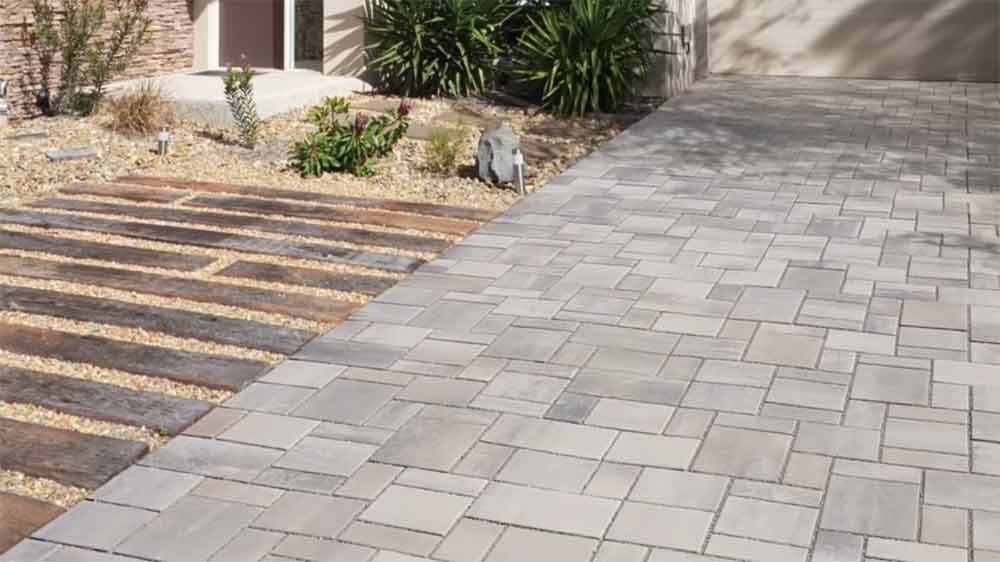
Welcome to Block Paving Retford, your go-to guide for all things block paving. In this article, we will explore the important topic of water drainage in block paving installations. Whether you’re considering a new block paving project or looking for maintenance tips, we’ve got you covered.
Block paving is a popular choice for driveways, patios, and walkways, but did you know that improper installation can lead to drainage issues? Without the right techniques and measures in place, water can accumulate, causing an uneven surface and potential damage to your paving. That’s why it’s vital to work with a professional block paving contractor who understands the importance of water drainage.
At Block Paving Retford, we specialise in block paving design, installation, and maintenance. Our team of experts knows how to create a properly sloped surface that ensures efficient water drainage. We use high-quality materials and follow best practices to prevent issues like block movement and weed growth.
When it comes to block paving maintenance, we recommend regular inspections and cleaning to keep your paving in top condition.
By addressing any drainage concerns early on, you can avoid costly repairs down the line.
Whether you’re in need of new block paving installation or want to enhance the functionality of your current paving, trust Block Paving Retford for expert guidance and service.
Contact us today to discuss your project and discover the benefits of block paving for water drainage.

How to Lay Block Paving for Effective Water Drainage
When it comes to installing block paving, proper water drainage is crucial for maintaining a durable and functional surface. Follow these step-by-step instructions to ensure your block paving installation effectively handles water flow and minimises the risk of drainage problems.
Preparing the Subbase
The first step in laying block paving is to prepare a solid subbase. Start by removing any unwanted soil and vegetation from the area. Then, add a layer of suitable aggregate subbase and compact it thoroughly to create a stable foundation for your paving.
Installing Edge Restraints
To maintain the shape and stability of your block paving, it’s essential to install edge restraints. These can be made of concrete or specialised plastic materials. Place the edge restraints around the perimeter of your paving area, making sure they are secured firmly into the ground.
Compacting the Block Paving
Once the subbase and edge restraints are in place, it’s time to lay the blocks. Spread a layer of sand across the subbase and use a screed to ensure a level surface. Start placing the paving blocks in your desired pattern, making sure they are aligned correctly. Use a block splitter or saw to cut the blocks as needed to fit the edges. After all the blocks are in place, use a compactor to press them firmly into position. This will ensure the blocks are stable and won’t shift over time.
By following these guidelines for laying block paving, you can achieve effective water drainage and prevent common problems like uneven surfaces and block movement. Take the time to prepare the subbase, install edge restraints, and properly compact the blocks to ensure a long-lasting and visually appealing result.
Conclusion: The Benefits of Block Paving for Water Drainage
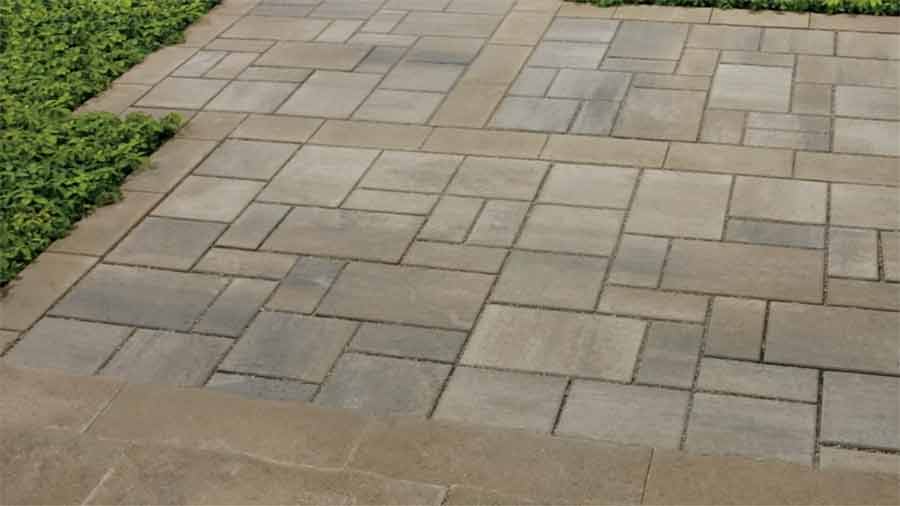
Block paving offers numerous benefits when it comes to water drainage in driveways and patios.
One of the key advantages is the attractive design options, allowing for customisation to suit any style or preference.
Whether you’re looking for a traditional or contemporary look, block paving provides a versatile solution that enhances the overall aesthetics of your outdoor space.
Another significant advantage of block paving is its durability.
With the ability to withstand heavy vehicle traffic and various weather conditions, block paving ensures long-lasting results. Even if a block gets damaged, it can be easily replaced or re-laid individually, saving you time and money in the long run.
In terms of maintenance, block paving requires minimal effort. Regular cleaning with a brush and occasional pressure washing is all it takes to keep your driveway or patio looking pristine. This low-maintenance feature is particularly appealing for busy homeowners who want to enjoy their outdoor areas without constant upkeep.
However, it’s crucial to consider surface water drainage when planning a block paved driveway or patio. Incorporating appropriate measures like channel drainage systems can help prevent any potential water pooling issues, ensuring effective drainage for a functional and visually appealing outdoor space.
Call us to get a price quote on a block paving. Contact us today on 07595 510190 to receive a free quote or visit our website.
Source Links
- https://creativepavingessex.co.uk/
blog/block-paving-drainage-problems/ - https://www.whoseview.ie/
guides/drainage-for-driveways/ - https://www.drainagesuperstore.co.uk/
help-and-advice/project-guides/landscaping
-outdoors/how-to-block-pave-a-driveway/

The well-known adage 'The foundation of a successful paver installation lies in the choice of materials' highlights the importance of Read more
Block paving is a popular choice for outdoor surfaces due to its durability and aesthetic appeal. However, the accumulation of Read more
If you're considering a block paving project but don't have access to a wacker plate, you may be wondering if it's still possible Read more