
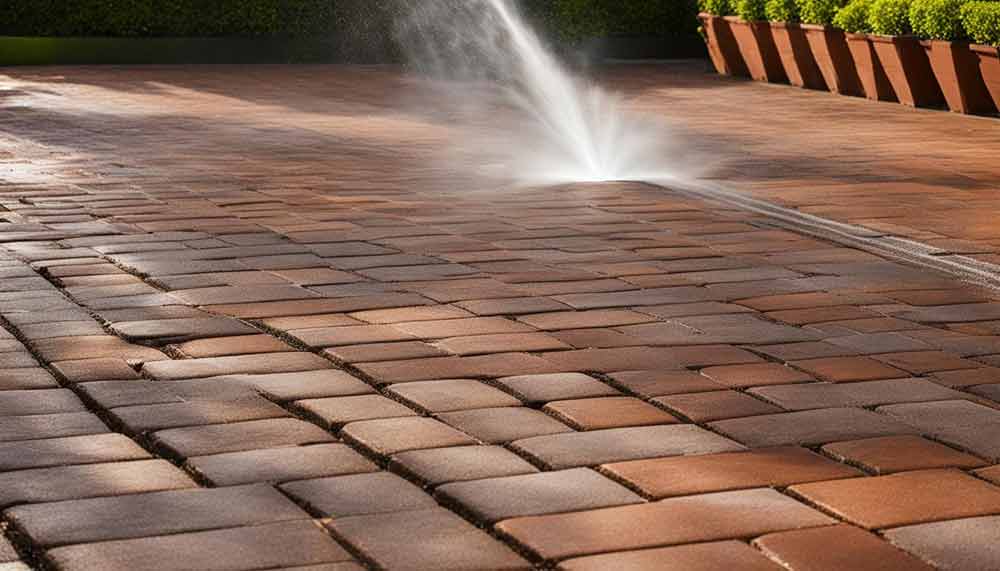
Block paving is a popular choice for driveways and patios, providing a durable and aesthetically pleasing surface. However, like any outdoor surface, it requires regular maintenance to keep it looking its best. In this article, we will explore how often block paving should be cleaned and provide tips to ensure effective cleaning without causing damage.
Block paving, also known as paving blocks or patio paving, is prone to accumulating dirt, moss, and weeds over time. To maintain its appearance and durability, it is recommended to clean block paving at least once a year. Regular cleaning helps prevent the build-up of stains, algae, and moss, which can cause the surface to become slippery and unsafe.
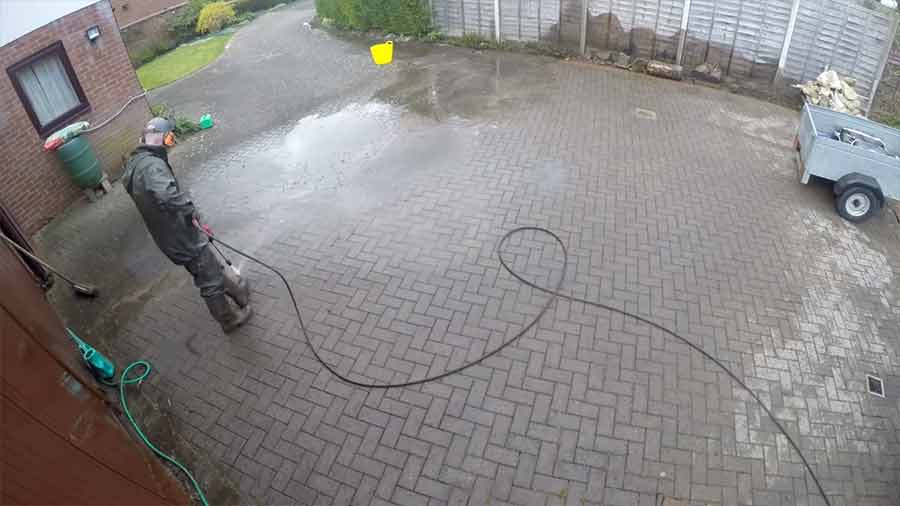
When it comes to cleaning block paving, pressure washing is a popular method. However, it is essential to exercise caution to avoid damaging the bricks. Before pressure washing, it is important to remove weeds and moss manually and prepare the area by sweeping away dirt and debris.
Using a specialist jet washing cleaner can help lift dirt more effectively, and using rotary heads on a pressure washer can ensure faster and more efficient cleaning.
While regular cleaning is necessary to maintain the condition of block paving, it is important not to overdo it. Cleaning too frequently can cause permanent damage or discoloration.
Following proper cleaning techniques and precautions is crucial to ensure the safety of the block paving and prevent damage to surrounding areas.
Tips for Cleaning Block Paving
When it comes to cleaning block paving, using the correct pressure is crucial. Too much pressure can damage the paving, while too little pressure may not effectively remove all the dirt and grime. Start with a lower setting on your pressure washer and increase the pressure as needed. It’s also important to move the pressure washer in a back and forth motion, rather than up and down, as this helps prevent streaking and ensures thorough cleaning.
Using a chemical cleaner can also be effective in cleaning block paving. However, it’s essential to follow the instructions on the label and rinse off any remaining residue. Sweeping away excess water and avoiding pooling can prevent dirt build-up and maintain the cleanliness of the paving.
Here are some additional tips to keep in mind while cleaning block paving:
- Remove stones and pebbles from the area before cleaning to prevent any accidents or damage.
- Avoid parking vehicles on the freshly cleaned paving to prevent any tire marks or oil stains.
- Use a hard-bristled brush to scrub away stubborn stains or marks.
- Regularly sweep away dirt and debris to prevent them from accumulating on the paving.
Table: Comparison of Different Cleaning Methods for Block Paving
| Method | Pros | Cons |
|---|---|---|
| Pressure Washing | Efficiently removes dirt and grime | High pressure can damage the paving |
| Chemical Cleaning | Effective in removing tough stains | May leave residue if not rinsed properly |
| Scrubbing with a Brush | Allows for targeted cleaning of specific areas | Requires more effort and time |
Remember, proper cleaning techniques and precautions should be followed to ensure the safety of the paving and prevent damage to surrounding areas. By regularly cleaning and maintaining your block paving, you can keep it looking its best for years to come.
Specialist Cleaning Methods for Block Paving
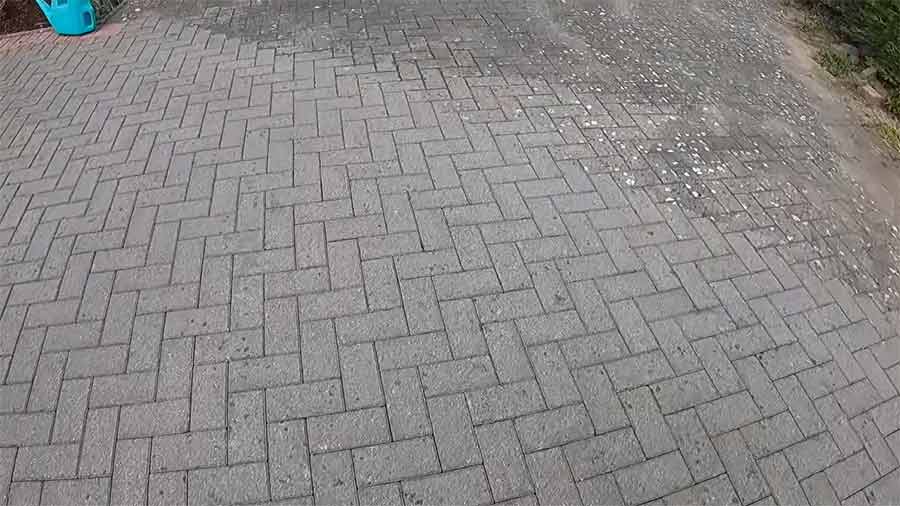
In some cases, regular cleaning may not be enough to tackle certain issues on block paving. Thankfully, there are specialist methods available to address specific problems that may arise.
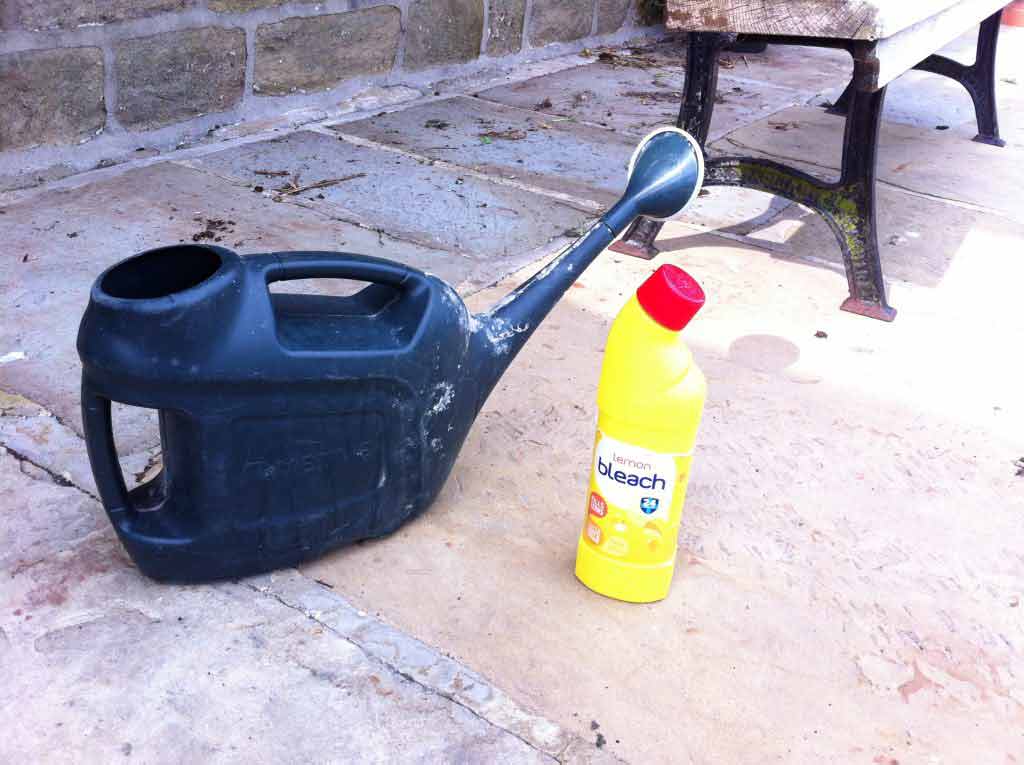
One common issue is the growth of algae and lichens on block paving. To remove these unsightly organisms, a bleach solution can be used.
However, it is crucial to test a small area first and rinse with clean water after applying the solution. This helps ensure that the bleach does not cause any unwanted damage or discoloration.
Another challenge that homeowners face is removing oil spills from block paving. These stains can be stubborn, but with the right approach, they can be successfully lifted. Non-acid based paving degreasers are effective in breaking down oil stains. Scrubbing the area with a hard-bristled brush can further aid in removing the stains. For deep-set stains, it may be necessary to repeat the process multiple times until the desired results are achieved.
When using chemicals for cleaning block paving, it is essential to follow safety precautions. Wearing protective clothing and ensuring proper ventilation are crucial for personal safety. Additionally, care should be taken to avoid damaging or staining adjoining materials during the cleaning process. Being aware of the source of stains, such as rust from iron gutters, can help prevent further staining and maintain the cleanliness of the block paving.
Call us to get a price quote on a block paving. Contact us today on 07595 510190 to receive a free quote or visit our website.
Source Links
- https://www.totalpressurecleaning.co.uk/the-dos-donts-of-pressure-washing-your-block-paving/
- https://www.simplypaving.com/advice-centre/how-to/how-to-clean-block-paving/
- https://www.marshalls.co.uk/gardens-and-driveways/blog/how-to-clean-block-paving

The well-known adage 'The foundation of a successful paver installation lies in the choice of materials' highlights the importance of Read more
Block paving is a popular choice for outdoor surfaces due to its durability and aesthetic appeal. However, the accumulation of Read more
If you're considering a block paving project but don't have access to a wacker plate, you may be wondering if it's still possible Read more