
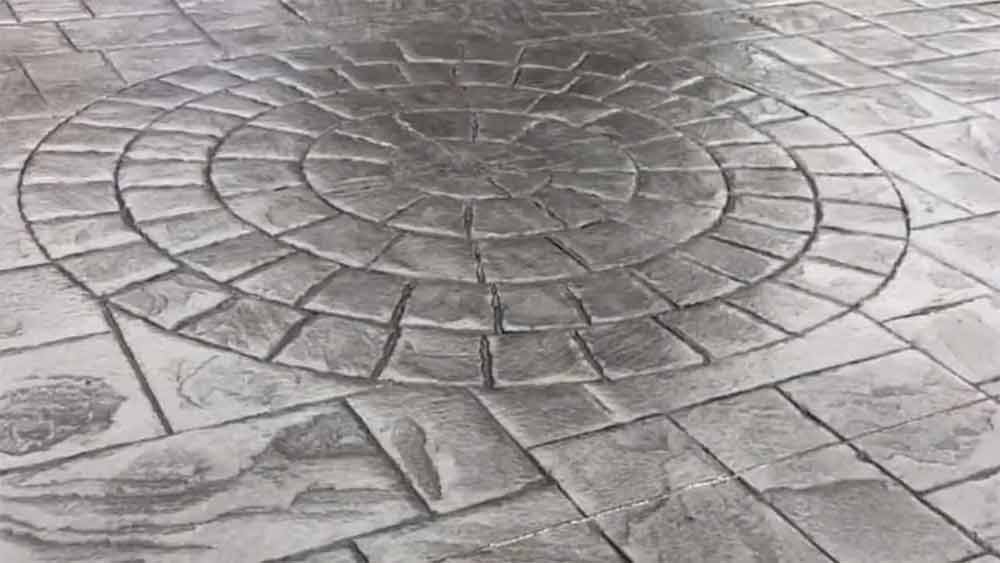
When it comes to hardscaping your driveway, two popular options stand out: block paving and concrete paving. But which one is the right choice for you?
Both block paving and concrete paving have their pros and cons, from durability to cost, aesthetics to maintenance. It’s essential to weigh the advantages and disadvantages carefully to ensure you make the best decision for your driveway.
In this article, we will explore the pros and cons of each option, providing you with the information you need to make an informed choice. So, if you’re ready to discover which paving material reigns supreme, keep reading.
Durability and Maintenance
When it comes to choosing between block paving and concrete paving for your driveway, durability and maintenance are key factors to consider. Let’s explore the benefits and requirements of each option.
Block Paving Durability
Block paving is well-known for its durability. The individual bricks used in block paving are interlocked, creating a strong and resilient surface. This design spreads the weight evenly, reducing the risk of damage. Even if a brick becomes loose or split, it can be easily replaced without affecting the rest of the driveway. With proper maintenance, a block paving driveway can last up to 20 years, providing long-term value and peace of mind.
Maintenance for Block Paving
To ensure the longevity of your block paving driveway, regular maintenance is essential. Here are some maintenance tasks to keep in mind:
- Regularly sweep your driveway to remove debris and leaves that can accumulate and cause blockages.
- Inspect the surface for any loose or damaged bricks and replace them promptly.
- Keep the joints filled with jointing sand to prevent weed growth and maintain stability.
- Consider applying a sealant every few years to protect against staining and enhance the appearance of the paving.

By following these maintenance practices, you can ensure that your block paving driveway remains in excellent condition for years to come.
Concrete Paving Durability
Concrete paving is another popular option for driveways, but it typically has a shorter lifespan compared to block paving. Concrete driveways can last up to 10 years with proper maintenance and care. However, if there are any structural issues such as cracks or sinking, repairing concrete paving can be a costly and cumbersome process.
Maintenance for Concrete Paving
To keep your concrete paving driveway in good condition, consider the following maintenance tasks:
- Regularly clean your driveway using a mild detergent and a pressure washer to remove dirt and grime.
- Inspect the surface for any cracks or damage and repair them promptly to prevent further deterioration.
- Apply a concrete sealer every few years to protect against stains and UV damage.
Regular maintenance will help extend the lifespan of your concrete paving driveway and minimise the need for costly repairs.
Overall, both block paving and concrete paving offer durability for your driveway. While block paving has a longer lifespan and easier repairability, concrete paving requires regular upkeep to ensure its longevity. Consider your preferences, budget, and the specific needs of your project when making a decision.
Drainage and Aesthetics
When it comes to choosing between block paving and concrete paving for your driveway, there are two important factors to consider: drainage and aesthetics.
Drainage: Block paving has a clear advantage in terms of drainage. The permeable design of block paving allows water to easily soak through the bricks, preventing the buildup of standing water and reducing the risk of flooding.
This means that you won’t need additional drainage systems in place, making block paving a practical choice for areas with heavy rainfall or poor drainage. On the other hand, concrete paving is non-permeable, meaning that water cannot penetrate the surface.
This can lead to the accumulation of standing water, posing potential hazards and requiring additional measures to ensure proper drainage.
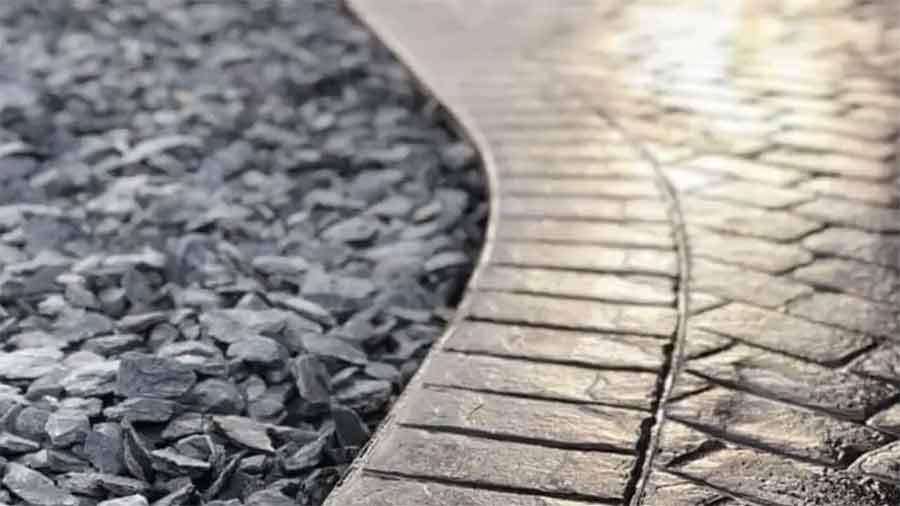
Aesthetics: If you’re looking to enhance the visual appeal of your driveway, block paving offers a wide range of options. There are numerous colours, patterns, and sizes available, allowing you to create a unique and personalised design. Whether you prefer a traditional, rustic look or a more modern and sleek aesthetic, block paving can accommodate your preferences. Concrete paving, while still capable of providing a neat and clean appearance, has a more limited range of patterns and colours. This may not suit everyone’s taste or desired aesthetic, especially if you’re looking for a more distinctive look for your driveway.
When making a decision between block paving and concrete paving, it’s essential to consider both the practicality of proper drainage and the visual impact of your chosen material. Block paving’s superior drainage capabilities and design flexibility make it a popular choice for driveways. However, if you prioritise a simpler aesthetic or have specific budget constraints, concrete paving may still be a viable option. Ultimately, the choice comes down to your personal preferences and the specific requirements of your driveway project.
Cost and Conclusion
When considering the cost of paving your driveway, it’s essential to compare the expenses of block paving and concrete paving. While block paving materials tend to be more expensive initially, they offer long-term durability that can offset the higher upfront cost. The average price range for block paving is typically between £20-£40 per square metre, while concrete paving may be slightly cheaper.
It’s important to note that installation costs can vary depending on the stockist and product type. To get the best value for your money, it’s advisable to research reputable suppliers and compare quotes from multiple sources. Block Paving Retford is an excellent choice for your paving needs, providing high-quality block paving materials with competitive pricing. Their website, blockpavingretford.co.uk, offers a range of options to enhance your driveway.
In conclusion, both block paving and concrete paving have their advantages and disadvantages. Block paving offers exceptional durability, allowing it to withstand heavy use over time. The flexibility in design and better drainage provided by block paving are additional benefits to consider. On the other hand, concrete paving is more affordable and quicker to install but may require more frequent repairs.
The choice between block paving and concrete paving ultimately depends on your personal preferences, budget, and the specific requirements of your project. By carefully weighing the pros and cons of each option, you can make an informed decision to create a beautiful and long-lasting driveway that suits your needs.
Call us to get a price quote on a block paving. Contact us today on 07595 510190 to receive a free quote or visit our website.
Source Links
- https://www.simplypaving.com/advice-centre/
articles/block-paving-vs-imprinted-concrete/ - https://www.premiersurfacing.co.uk/hints-tips/
block-paving-vs-imprinted-concrete/ - https://www.marshalls.co.uk/gardens-and
-driveways/blog/block-paving-vs-tarmac

The well-known adage 'The foundation of a successful paver installation lies in the choice of materials' highlights the importance of Read more
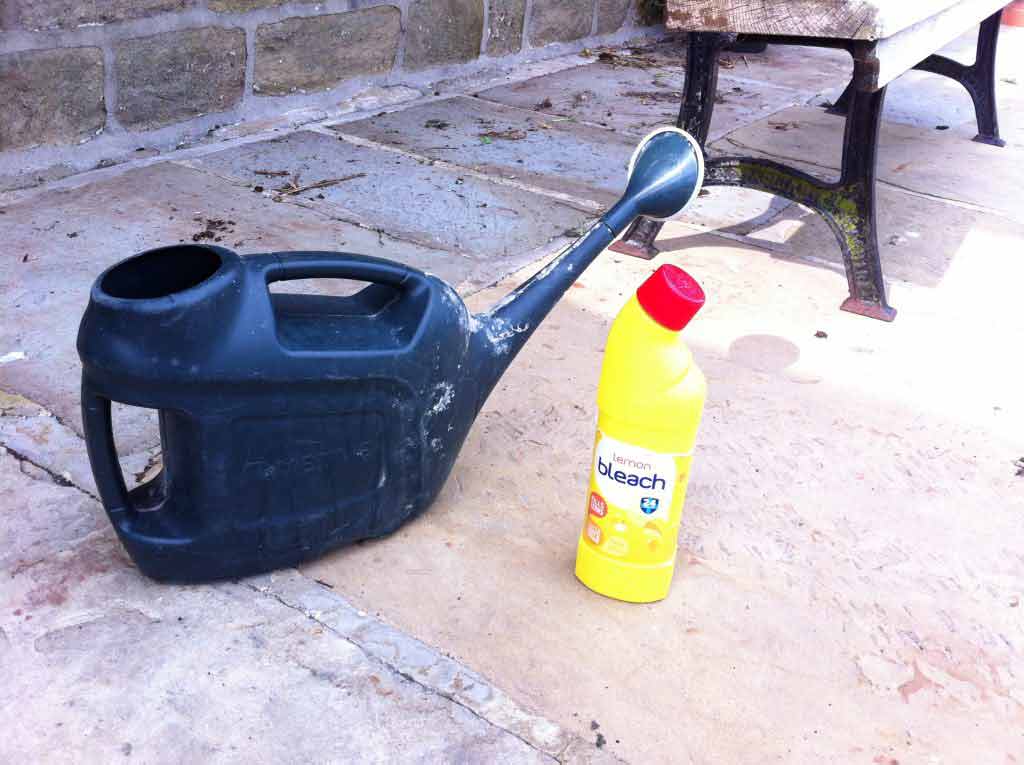
Block paving is a popular choice for outdoor surfaces due to its durability and aesthetic appeal. However, the accumulation of Read more
If you're considering a block paving project but don't have access to a wacker plate, you may be wondering if it's still possible Read more