
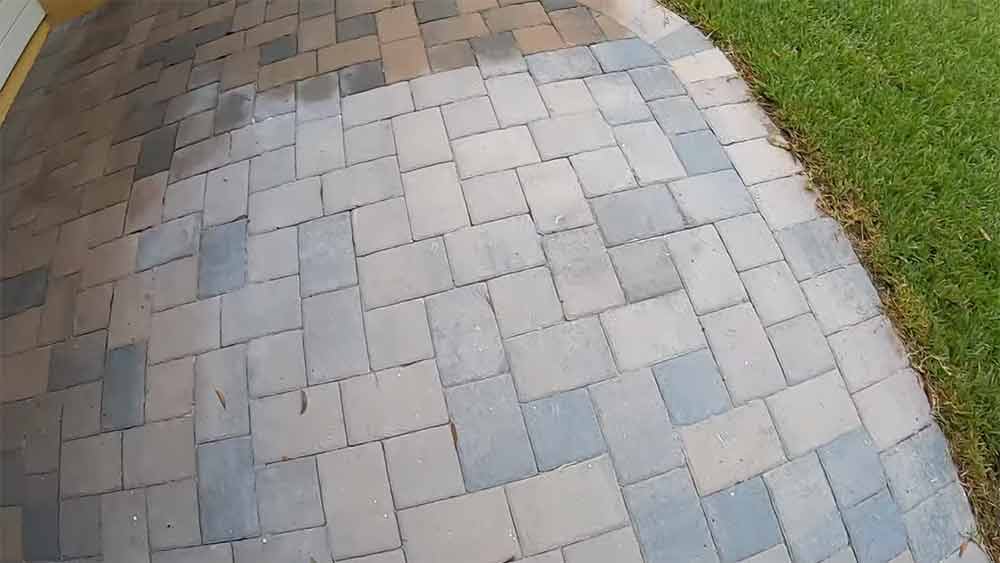
Have you ever wondered if sealing your block paving, paving stones, or other paved surfaces is a necessary step after power washing? This crucial question lies at the heart of maintaining the long-term beauty and integrity of your driveway paving, patio paving, garden paving, and landscaping paving. Let’s explore the benefits of sealing your interlocking pavers, brick paving, and permeable paving to help you make an informed decision.
According to leading paving contractors and manufacturers, sealing your paved surfaces after power washing is a highly recommended practice. Both concrete and brick pavers are porous materials that can undergo significant changes in quality and appearance when they absorb liquids. Paver sealant acts as a vital maintenance tool, helping to keep your driveways, walkways, pool decks, and paver patios looking as fresh and appealing as the day they were first installed.
The Benefits of Sealing Block Paving
Sealing block paving, whether it’s for a driveway, patio, or garden path, offers a multitude of advantages that can enhance the longevity and visual appeal of your outdoor surfaces. According to the first source, some of the key benefits of sealing block paving include:
- Enhanced Appearance: A high-quality sealant can restore the vibrant colours and clean, uniform look of your block paving, making it appear as good as new, even after years of use and weathering.
- Increased Durability: Sealing helps to protect the paving stones from the damaging effects of UV radiation, which can cause fading and deterioration over time. It also creates a barrier against stains, oil spills, and other contaminants that can discolour or erode the paving.
- Improved Water Resistance: Sealants create a water-repellent layer that prevents moisture from seeping into the porous block paving, reducing the risk of cracking, crumbling, or the growth of weeds and moss.
- Easier Maintenance: Sealed paving is much simpler to clean and maintain, as the sealant creates a smooth, non-porous surface that resists dirt, grime, and other debris. This can save time and effort in keeping your outdoor spaces looking their best.
- Enhanced Traction: Some sealants can provide a subtle anti-slip finish, improving the overall safety and grip of your block paving, especially in wet conditions.
By investing in the sealing of your block paving, you can enjoy the long-term benefits of a durable, attractive, and low-maintenance outdoor surface that enhances the overall aesthetic and value of your property. It’s a proactive measure that can help to preserve the beauty and functionality of your landscaping paving for years to come.
| Benefit | Description |
|---|---|
| Enhanced Appearance | Sealants restore vibrant colours and a uniform look to block paving, making it appear as good as new. |
| Increased Durability | Sealing protects paving stones from UV damage, stains, and other contaminants that can cause deterioration. |
| Improved Water Resistance | Sealants create a water-repellent layer that prevents moisture from seeping into the porous paving, reducing the risk of cracking and weed growth. |
| Easier Maintenance | Sealed paving is simpler to clean and maintain, as the sealant creates a smooth, non-porous surface that resists dirt and debris. |
| Enhanced Traction | Some sealants can provide a subtle anti-slip finish, improving the overall safety and grip of block paving, especially in wet conditions. |
Preparing Block Paving for Sealing
Before applying a sealer to your block paving, it’s crucial to ensure the surface is properly prepared. According to the experts at Block Paving Retford, the recommended preparation steps include:
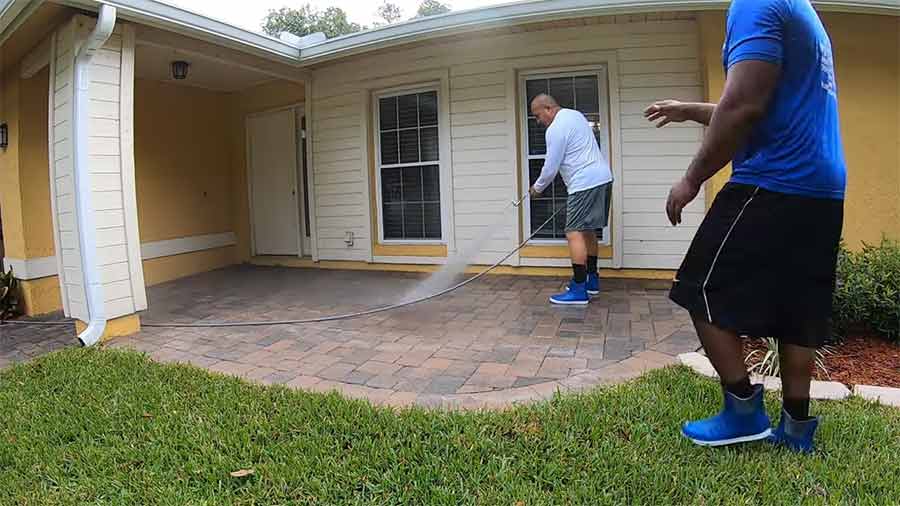
- Thorough power washing: Use a high-pressure power washer to remove any dirt, grime, or debris from the paver surface. This will help the sealant adhere effectively.
- Drying the paving: Allow the pavers to fully dry, typically 24-48 hours, before applying the sealant. Any residual moisture can prevent the sealer from bonding properly.
- Repairing any damage: Inspect the pavers and address any cracks, chips, or uneven areas by replacing damaged blocks or using a paving repair compound.
- Sweeping the surface: Thoroughly sweep the paved area to remove any remaining dust or loose particles that could interfere with the sealing process.
By meticulously preparing the block paving, you’ll ensure the sealer adheres evenly and provides the best possible long-term protection for your outdoor surfaces. For expert advice or assistance with the preparation and sealing of your pavers, contact the team at Block Paving Retford on 07595 510190.
Block Paving Sealing Process
The process of sealing block paving involves several crucial steps to ensure a long-lasting and visually appealing finish. According to the experts at Block Paving Retford, the recommended sealing process includes the following:
- Surface Preparation: Thoroughly clean the block paving surface by power washing or sweeping to remove any dirt, debris, or stains. Ensure the surface is completely dry before proceeding to the next step.
- Priming the Surface: Apply a suitable primer to the clean, dry paving, which helps the sealer adhere effectively to the surface. This step is particularly important for older or weathered pavers.
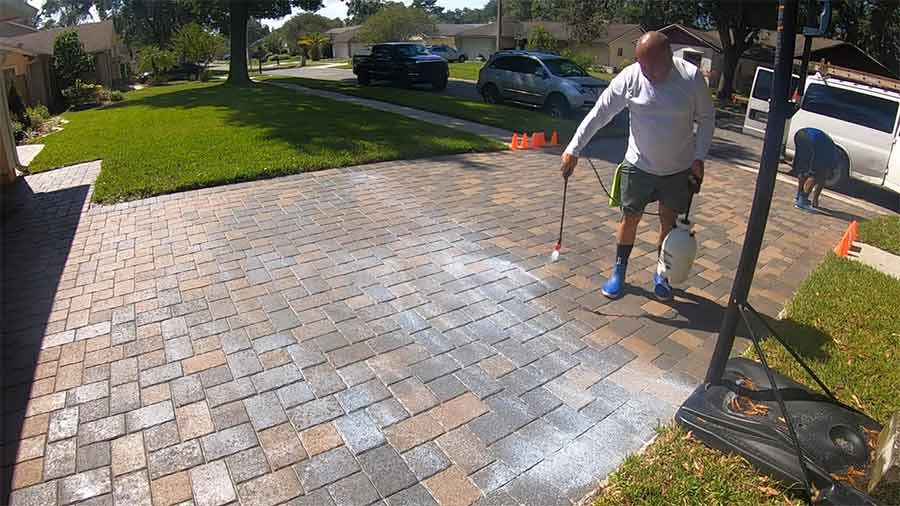
- Sealer Application: Using a roller or sprayer, apply the selected paver sealer in a thin, even coat, ensuring complete coverage of the surface. It’s recommended to apply at least two coats for optimal protection and sheen.
- Drying Time: Allow the sealer to cure for the recommended duration, typically 24-48 hours, before allowing foot or vehicle traffic on the sealed surface.
By following this comprehensive sealing process, homeowners and property owners can enjoy the long-term benefits of their beautifully sealed block paving surfaces. For expert guidance and a free consultation, contact Block Paving Retford at 07595 510190.
Conclusion
In conclusion, sealing pavers after power washing is a recommended practice that offers numerous benefits for the long-term preservation and appearance of block paving surfaces. By protecting against stains, UV damage, water infiltration, and plant growth, while enhancing the overall look and ease of maintenance, paver sealing is a valuable investment for homeowners and property owners.
The preparation and application process must be carefully followed to ensure the best results, and it is advisable to consult with experienced paving professionals, such as the team at Block Paving Retford (07595 510190), for guidance on the optimal sealing solution for your specific block paving needs.
Maintaining the beauty and durability of your paved surfaces is crucial, and sealing your pavers after power washing is a proven way to achieve long-lasting, impressive results. Invest in the protection and enhancement of your outdoor spaces with a high-quality paver sealing solution tailored to your block paving requirements.
Contact them today at 07595 510190 or visit their website at blockpavingretford.co.uk to learn more.
Source Links
- https://peterspressurewashing.com/
importance-of-paver-sealing/ - https://pressurewashingresource.com/
community/t/do-most-pressure-washing
-companies-seal-concrete-after
-using-a-surface-cleaner/26049 - https://www.paversealingorlandofl.com/
preserving-your-pavers-should
-you-seal-after-pressure-washing/

The well-known adage 'The foundation of a successful paver installation lies in the choice of materials' highlights the importance of Read more
Block paving is a popular choice for outdoor surfaces due to its durability and aesthetic appeal. However, the accumulation of Read more
If you're considering a block paving project but don't have access to a wacker plate, you may be wondering if it's still possible Read more