
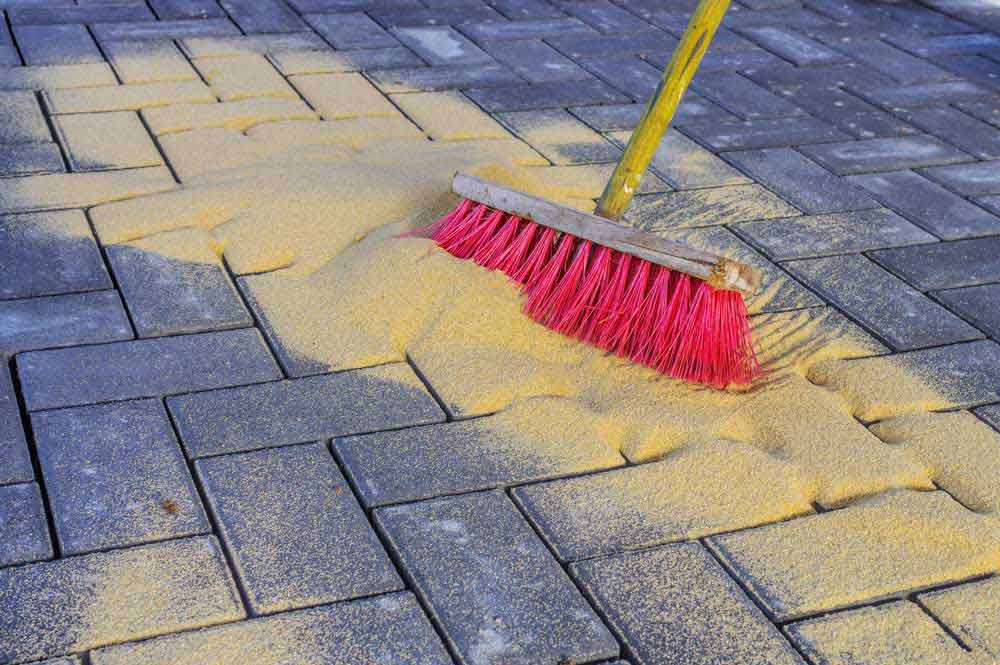
When installing block paving, it is crucial to use sand between the pavers. The sand serves multiple purposes, including keeping the joints stable, leveling the pavers, and filling the gaps to prevent them from becoming loose and wobbly. Without sand, water can run between the joints, causing erosion and making the pavers unstable.
Properly-sanded joints also help hold the paver installation together. It is recommended to have the joint sand to the ICPI standard, which is between 1/8th and 1/4th inch below the chamfer edge of the paver. This recessed sand level allows for proper water drainage and prevents the sand from breaking apart when exposed to vehicle or foot traffic.
While polymeric sand is a great option for joint stabilisation, it is not suitable for areas with high humidity or rain, like Florida. Silica sand activated by urethane-based sealers is a more appropriate choice in such climates.
Choosing to not put sand between pavers can lead to unstable and uneven surfaces, causing potential safety hazards and expensive repairs. It is essential to follow proper installation techniques and utilise the right materials to ensure the longevity and integrity of block paving installations.
Block Paving Retford – Providing professional block paving services for driveways, patios, and more. Contact us at https://blockpavingretford.co.uk/ for all your block paving needs.
The Importance of Sand for Pavers
Sand plays a crucial role in maintaining the stability and longevity of block paving. It helps keep the pavers level and prevents them from shifting or becoming loose over time. Additionally, the sand fills the gaps between the pavers, providing a seamless and attractive pavement surface.
By using sand between the pavers, you can ensure that water drains properly, preventing erosion and other issues caused by moisture. Moreover, properly-sanded joints enhance the overall strength and durability of the paver installation.
Choosing the right type of sand for your block paving project is essential to achieve optimal results. Regular sand, while effective in filling gaps, can become soft when wet. For a more stable and long-lasting outcome, consider using polymeric sand.
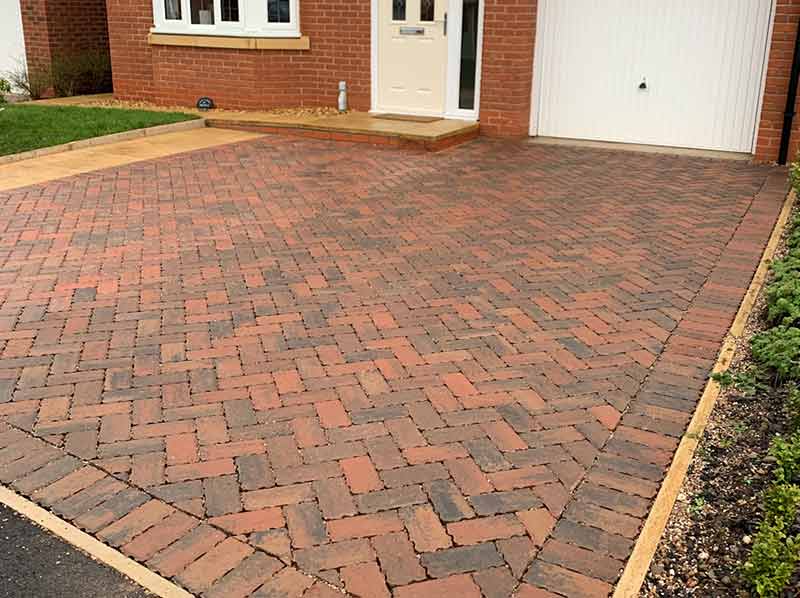
Polymeric sand contains quartz and crystalline silica, which provide exceptional binding power. When activated by water, the polymers in the sand form a durable alloy that locks the pavers in place. This type of sand also helps prevent weed growth and insect infestation, offering additional benefits for your paver installation.
Remember to ensure that the paver surface is dry before applying polymeric sand, as water activates the polymers. After application, the sand should be left to dry for a minimum of 24 hours before allowing foot traffic and 48 hours before vehicle traffic.
| Benefits of Sand for Pavers | Choosing the Right Sand for Your Pavers |
|---|---|
| Keeps pavers level and stablePrevents shifting and looseningCreates a seamless pavement surfaceFacilitates proper water drainageEnhances overall strength and durability | Regular sand can become soft when wetPolymeric sand offers exceptional binding powerHelps prevent weed growth and insect infestationEnsure a dry paver surface before applicationAllow sufficient drying time before foot and vehicle traffic |
Choosing the Right Sand for Your Pavers
When it comes to block paving, choosing the right sand is crucial for a successful installation. The type of sand you use will affect the stability, longevity, and overall performance of your pavers. Here are some factors to consider when selecting the perfect sand for your project.
Block Paving Materials
Before choosing the sand, it’s important to understand the materials used in block paving. Different types of pavers may require specific sand characteristics. For instance, clay pavers are more porous and may require a coarser sand, while concrete pavers may be better suited for fine-grained sands. Understanding the materials will help you make an informed decision.
Block Paving Maintenance
The maintenance requirements of your block paving can also influence your sand choice. If you’re looking for low-maintenance options, polymeric sand may be a suitable choice. This type of sand contains polymers that harden when exposed to water, creating a stable and weed-resistant joint. However, if you prefer a more natural look and don’t mind occasional maintenance, regular sand can be a cost-effective option.
Block Paving Patterns
The pattern you choose for your block paving can also impact the sand selection. Some patterns, such as herringbone or basketweave, require a finer sand to ensure proper interlocking and stability. In contrast, more intricate patterns may benefit from a coarser sand that provides better filling and support. Consider the pattern you want to achieve and consult with a block paving contractor for guidance.
Block Paving Contractors and Services
Lastly, working with a professional block paving contractor will ensure that you choose the right sand for your specific needs. They have the knowledge and expertise to assess your project requirements and recommend the most suitable sand options. Additionally, professional block paving services will ensure proper installation and offer maintenance tips to keep your pavers looking their best.
| Sand Type | Pros | Cons |
|---|---|---|
| Polymeric Sand | Excellent binding power Reduces weed growth Enhanced stability | Higher cost Requires proper installation and drying time |
| Regular Sand | Cost-effective Natural look | Less stable and prone to erosion Requires regular maintenance |
Conclusion
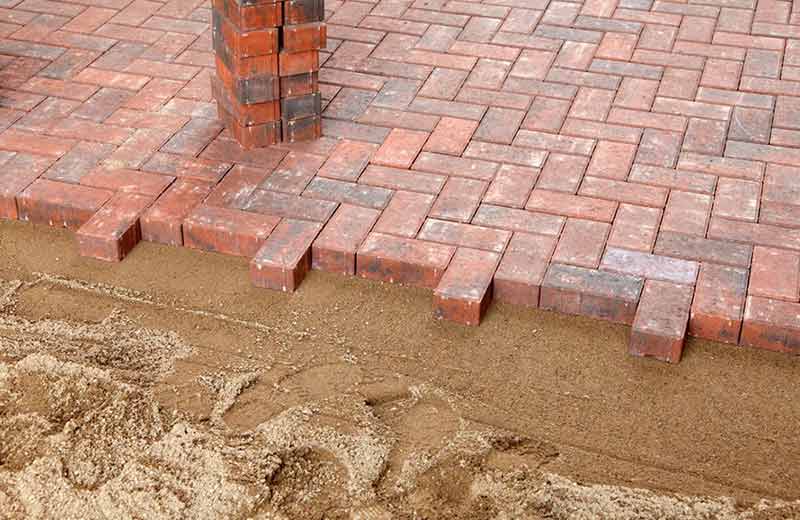
Block paving installations greatly benefit from the use of sand. It provides stability, levelness, and creates seamless joint connections, resulting in a durable and visually appealing pavement. By choosing the right type of sand, such as polymeric sand, you can enhance the performance and longevity of your block paving project.
Polymeric sand offers exceptional binding power, preventing it from washing away and reducing maintenance requirements. It also helps prevent weed growth and insect infestation, providing additional advantages. While block paving with sand may require more time and attention to detail, the benefits outweigh the investment.
Considering the long-term benefits, block paving with sand is a worthwhile choice. It ensures a stable and attractive pavement, reduces maintenance needs, and enhances the overall strength of the installation. Contact Block Paving Retford at blockpavingretford.co.uk to learn more about block paving benefits and obtain a quote for your project.
Call us to get a price quote on a block paving. Contact us today on 07595 510190 to receive a free quote or visit our website.
Source Links
- https://www.sakrete.com/blog/
post/applying-polymeric-sand
-to-an-existing-patio-or-walkway/ - https://sspavers.com/how-to-
harden-sand-between-pavers/ - https://www.duraguardfl.com/single-post/
2016-1-28-the-importance-of-paver-joint
-sand-should-you-resand-brick-paver-joints

The well-known adage 'The foundation of a successful paver installation lies in the choice of materials' highlights the importance of Read more
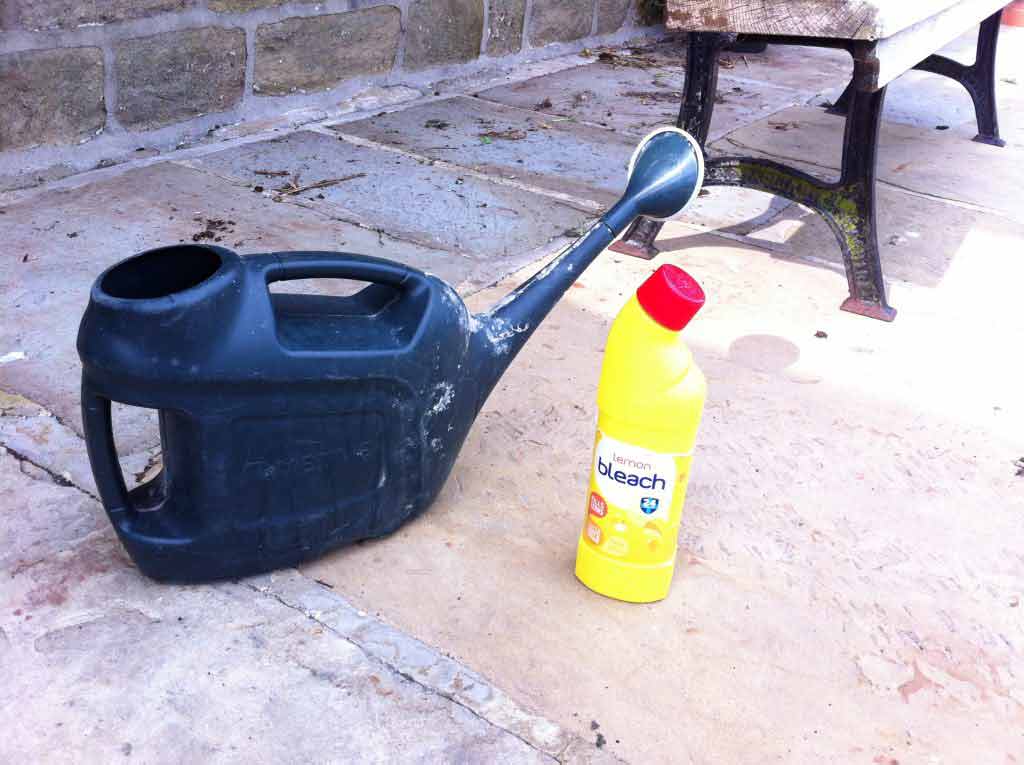
Block paving is a popular choice for outdoor surfaces due to its durability and aesthetic appeal. However, the accumulation of Read more
If you're considering a block paving project but don't have access to a wacker plate, you may be wondering if it's still possible Read more